
Collonges la Rouge
The village of red stone
Tucked in the Corrèze department of Nouvelle-Aquitaine, Collonges-la-Rouge is one of the most striking villages in France. Built almost entirely from deep red sandstone, it is a place where medieval lanes, fortified towers, and Renaissance mansions create a living picture of the past. Unsurprisingly, it is one of the “Most Beautiful Villages of France” (Les Plus Beaux Villages de France) — in fact, it was the very first to receive that label in 1982.
A Village Born from Red Sandstone
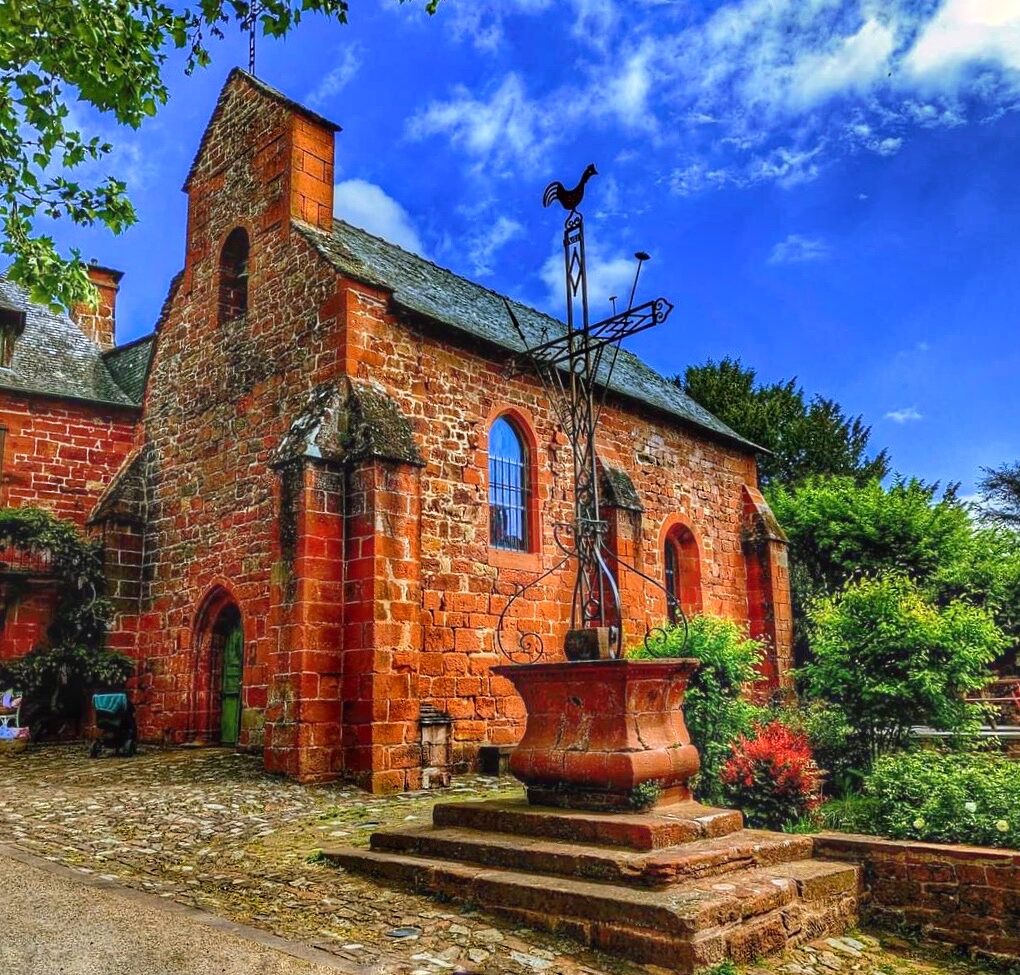
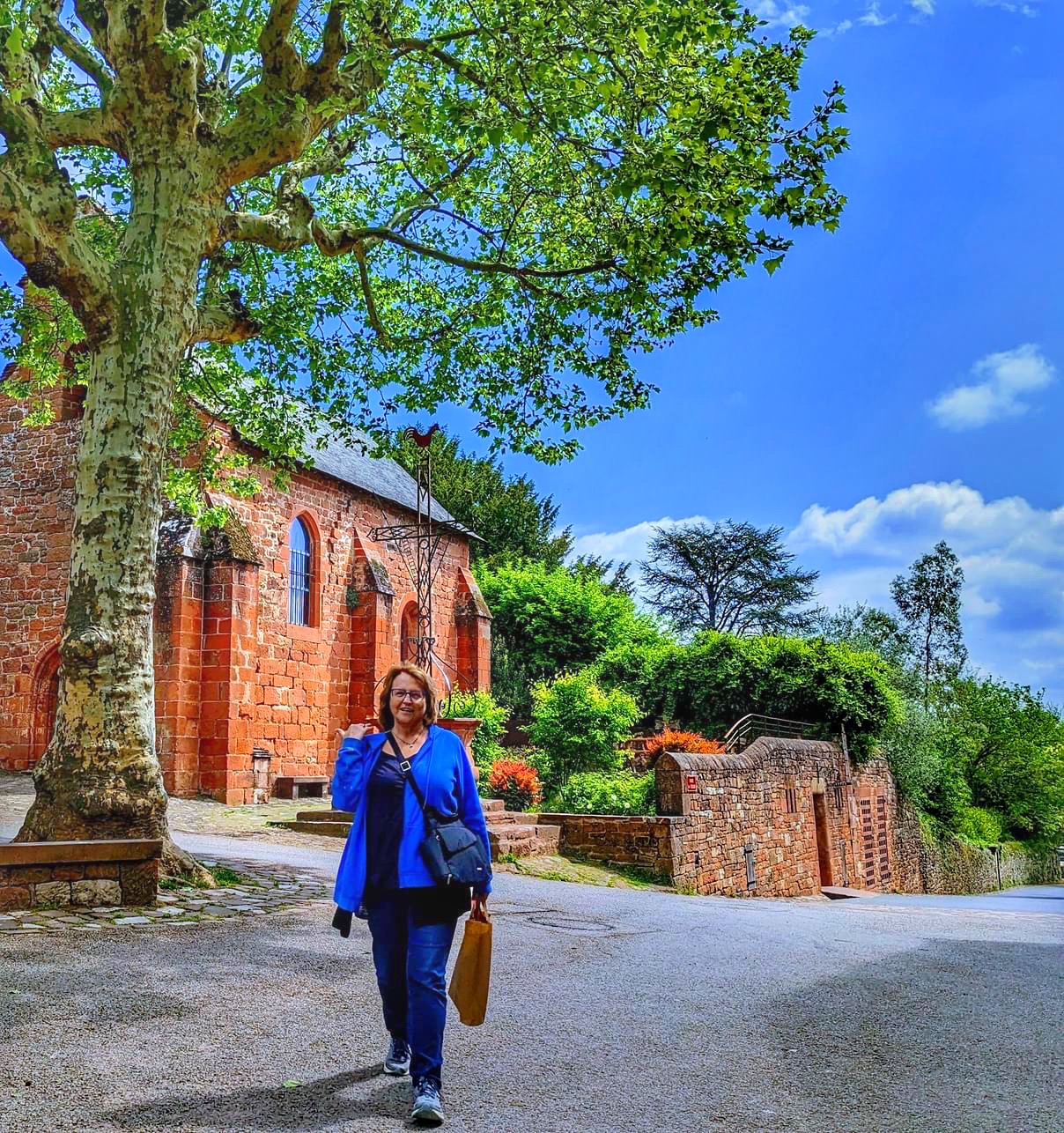
The uniqueness of Collonges comes from the iron-rich sandstone quarried locally. From the smallest cottages to imposing noble houses, nearly every structure glows with warm red hues, which change character with the sunlight — from deep crimson at sunrise to fiery orange under the midday sun. This consistent material gives the whole village a harmony rarely found elsewhere.
History and Heritage
Origins as a priory
Collonges began in the 8th century as a small priory dependent on the Benedictine abbey of Charroux. Its religious role made it a place of refuge for pilgrims traveling the route to Santiago de Compostela.
Medieval prosperity
By the Middle Ages, Collonges was a thriving town. Thanks to its position near fertile lands and important roads, it attracted noble families who built grand manors and fortified houses. The village eventually counted more than 25 towers, earning it the nickname la cité aux 25 tours.
Decline and revival
Like many rural villages, Collonges suffered population decline in the 19th and early 20th centuries. But in the late 20th century, recognition of its heritage — and the dramatic beauty of its red stone — led to a revival through tourism, careful restoration, and the preservation movement that eventually created the national network of “Most Beautiful Villages of France.”
Architectural Highlights
-
The Church of Saint-Pierre (11th–15th centuries): A Romanesque structure with later Gothic elements, famous for its carved tympanum and massive bell tower.
-
Fortified houses and towers: Many 14th–16th century noble residences still stand, such as the Maison de la Sirène (now a museum of local traditions).
-
Renaissance mansions: Families who grew wealthy from trade and land ownership left their mark with carved windows, turrets, and ornate façades.
-
La Halle (the Market Hall): A 16th-century covered hall where grain was once traded, today a picturesque reminder of village commerce.
Walking the narrow cobbled lanes, you pass by pointed turrets, mullioned windows, and arched doorways — each detail in that same glowing sandstone.
Surroundings and Setting
Collonges lies at the meeting point of the Limousin, Quercy, and Périgord regions. Its countryside is green and gentle, dotted with walnut orchards, vineyards, and old chestnut trees. This makes it a perfect stop between the Dordogne Valley and the Lot, offering both history and natural beauty.
Cultural Life and Attractions
-
Artisan shops and galleries: Many houses now host craftspeople and artists, adding a modern creative life to the old stones.
-
Events and concerts: Summer festivals fill the streets and church with music and theatre, often highlighting the town’s acoustics and atmosphere.
-
Maison de la Sirène: A small museum in a 16th-century house, presenting local history, rural traditions, and art.
Why Visit?
Collonges-la-Rouge is more than a village — it is an immersion in a living medieval landscape. Its consistent red sandstone, the concentration of historic architecture, and its revival as a cultural and tourist hub make it a jewel of rural France. Whether you are drawn by history, photography, or simply the charm of wandering through winding streets, Collonges will leave a lasting impression.
✨ Tip: Visit in the early morning or late afternoon, when the sun casts golden light on the red sandstone — the whole village glows like a painting.