
Gourdon
The Cr0wn of the Lot
Perched on a wooded promontory above the Bléou valley, Gourdon is the picturesque sub-prefecture of the Lot department and the historical capital of the Bouriane region. Narrow, winding streets, arcaded market squares and broad panoramic views make it one of southwestern France’s most inviting small towns — but its story stretches back well before the medieval houses you see today.
A brief history
Prehistoric and ancient occupation
The area around Gourdon is rich in prehistoric remains — dolmens and other sites show people lived here long before written history, and archaeological work has revealed Gallo-Roman traces nearby. The hilltop site provided natural defence and attracted settlement from very early times.
Medieval castrum and the fortified town
During the Middle Ages Gourdon developed as a castrum (a fortified site) with a castle at the top of the hill and circular ramparts. A lower town grew around that citadel, with cloth production and weaving bringing prosperity in later centuries. Much of the street plan and the compact medieval fabric you see now date from that era.
Demolition of the castle/ramparts
Like many French strongholds, Gourdon’s fortifications were altered or deliberately reduced in the early modern period. Records and local historians point to the 17th century as the time when the castle and some ramparts were dismantled — orders associated with Richelieu’s centralising policies led to the dismantling or slighting of many local fortresses so they could not be used against the crown. Today you can still follow the circular route of the old ramparts in the town’s layout.
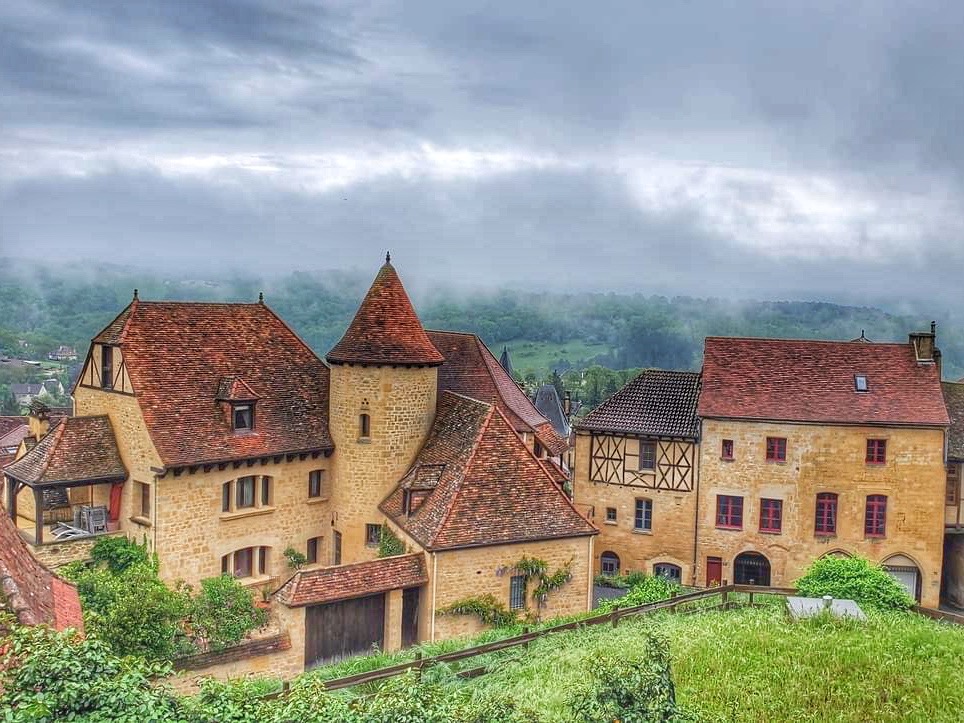
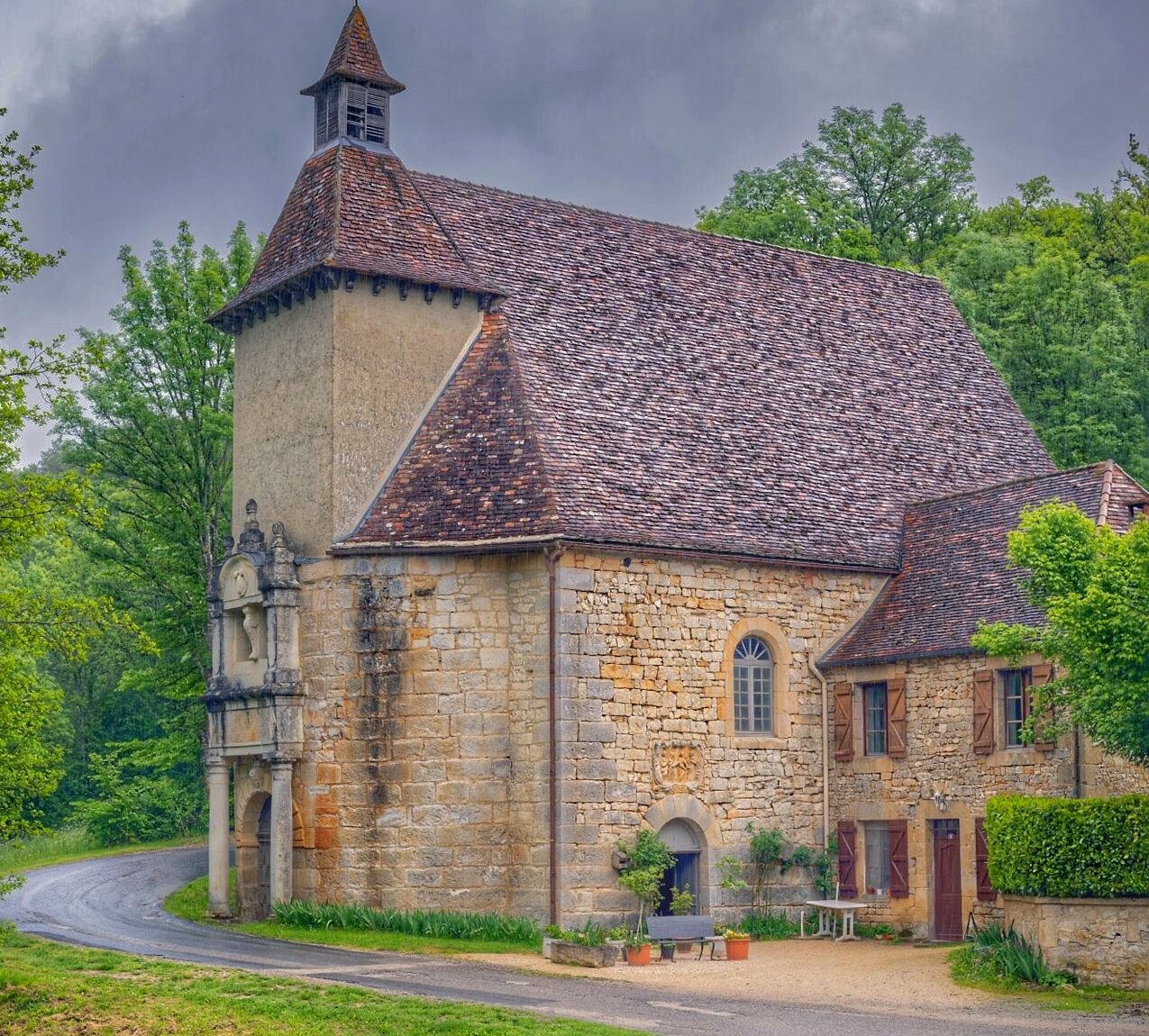
The medieval castle/castrum that gave Gourdon its shape was effectively neutralised in the early modern period (17th century) as part of the general dismantling of regional fortresses — a political and military decision rather than a single dramatic battle-loss. Traces of the original defensive layout survive in the town’s form.
Architecture & notable monuments
-
Arcaded market square & town hall: Gourdon’s market hall and arcaded streets are classic examples of south-western French medieval and early modern civic architecture — roomy arcades for stalls and shelter, heavy stonework and vaulted passages.
-
St Peter’s Church: On the highest point you’ll find the church (parts date from the 14th century). From its terrace and the town ramparts you get broad views across the Bouriane and toward the Dordogne.
-
Timbered and stone houses: Many narrow streets still display timber galleries, stone lintels and the honey-coloured limestone typical of Lot architecture. The compact medieval fabric encourages walking and discovery.
The surrounding area — Bouriane, countryside and viewpoints
Gourdon sits at the heart of La Bouriane, a rolling, wooded region of Quercy known for chestnut woods, gentle farmland and limestone ridges. The town is a good base for exploring: nearby are Rocamadour, the Dordogne valley, and numerous prehistoric and Gallo-Roman sites. The outlook from Gourdon’s promontory is one of its best assets — on a clear day you can spot distant towns and the patchwork of hedgerows and forest.
Culture, markets and festivals
Gourdon retains a lively market tradition (weekly markets, local produce) and hosts medieval festivals and events that celebrate its heritage — costumed processions, artisan stalls and music bring the streets to life in summer. The combination of regular markets and seasonal festivals makes Gourdon both a living town and a heritage destination.
Antique Shop